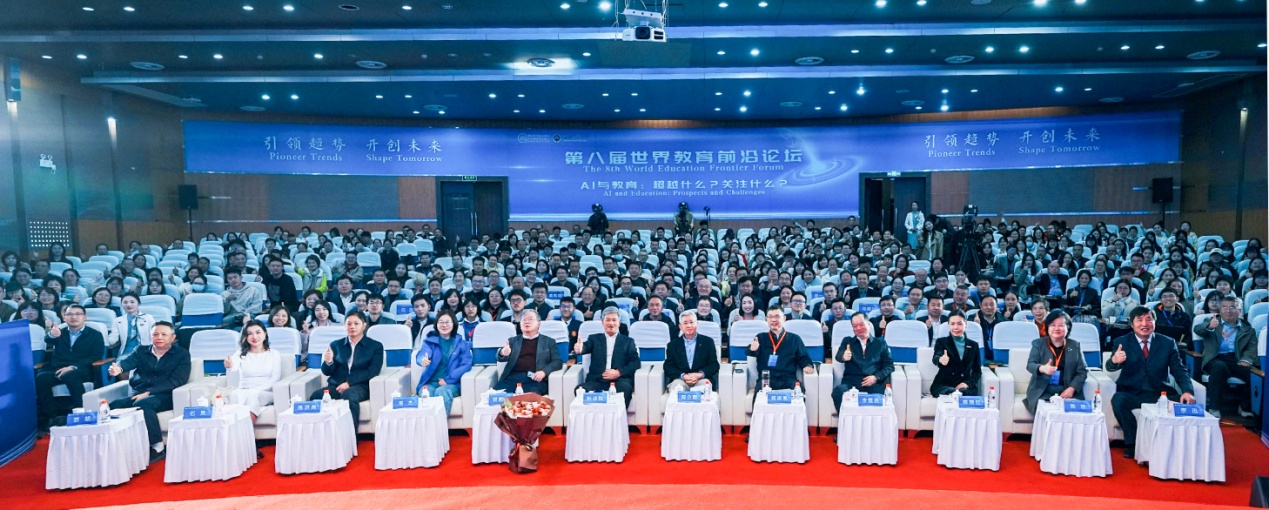
The 8th World Education Frontiers Forum, themed “AI and Education: What to Transcend? What to Focus On?”, opened at Fujian Normal University (FNU) on November 22. Co-hosted by the China Education 30 Forum and the De Wang Institute of Basic Education, the event was also co-organized and supported by the Centre for Higher Education Leadership and Policy Studies, the School of Teacher Education and Marxism at FNU, the New Teacher Fund of Soochow University, the Fuzhou Bureau of Education, and the Tin Ka Ping Foundation.
Nearly 300 participants attended the opening ceremony, including experts, scholars, educational leaders, school principals, and student representatives from China and abroad. Among the distinguished guests were:
Ruan Shiwei, Member of the Standing Committee of the CPPCC National Committee and Vice Chairman of the Fujian Provincial Committee of the CPPCC
Cheng Kai-ming, Chairman of the World Education Frontiers Forum and former Vice-President of the University of Hong Kong
Guo Yike, Foreign Member of the Chinese Academy of Engineering and Provost of the Hong Kong University of Science and Technology
Yang Zongkai, Senior Professor at Central China Normal University and former President of Wuhan University of Technology
Senior representatives from education authorities in Guangdong, Fujian, Xiamen, and Fuzhou
The ceremony was presided over by Li Xun, former Deputy Director-General of the Fujian Provincial Department of Education and President of the De Wang Institute of Basic Education.
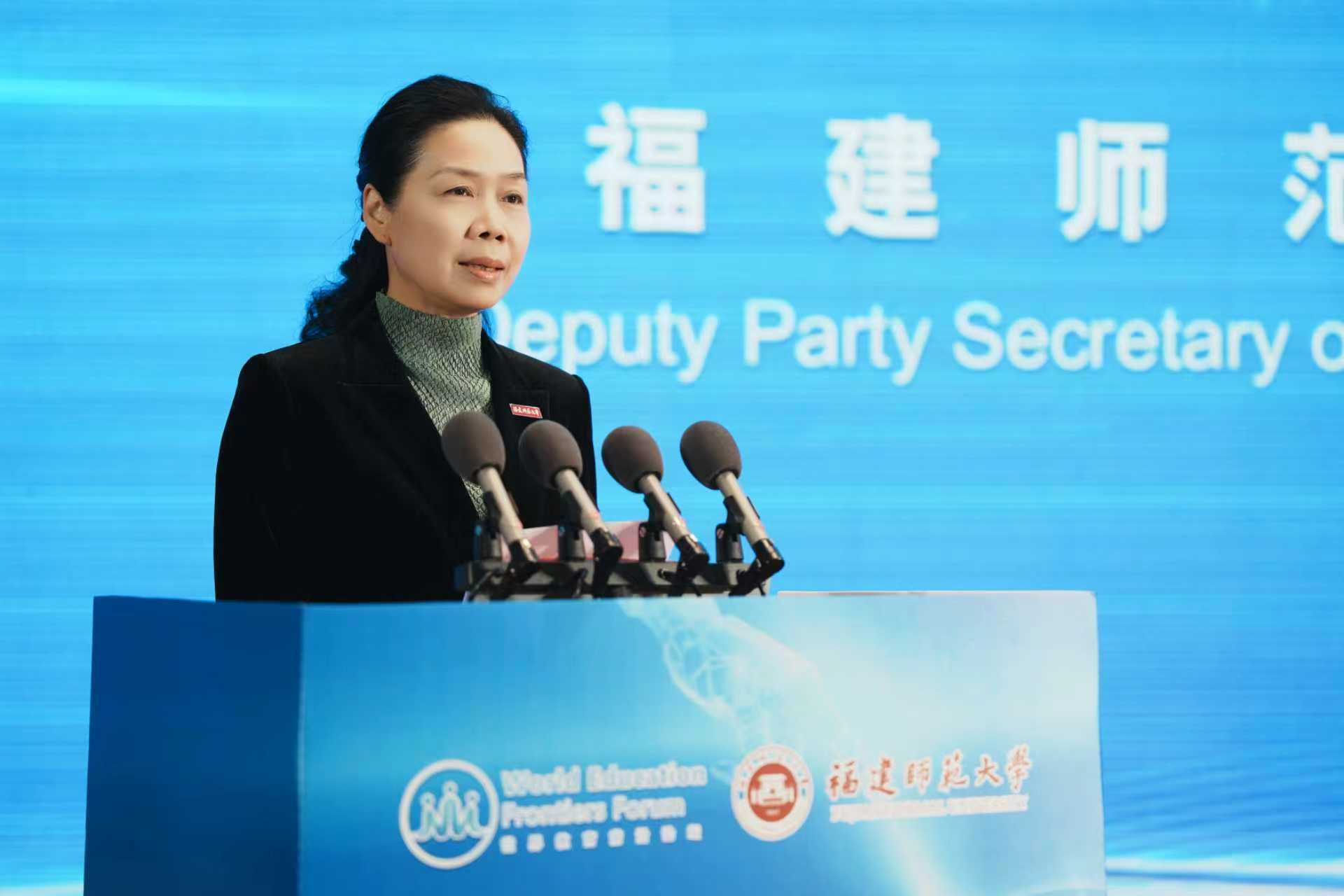
In her welcome address, Chen Xiaohong, Deputy Secretary of the CPC Committee of FNU, highlighted the university’s active efforts to integrate AI with existing disciplines and develop new “AI+” talent training models. She expressed hope that the forum would gather global expertise, learn from international best practices, and promote deeper collaboration in the future of education.
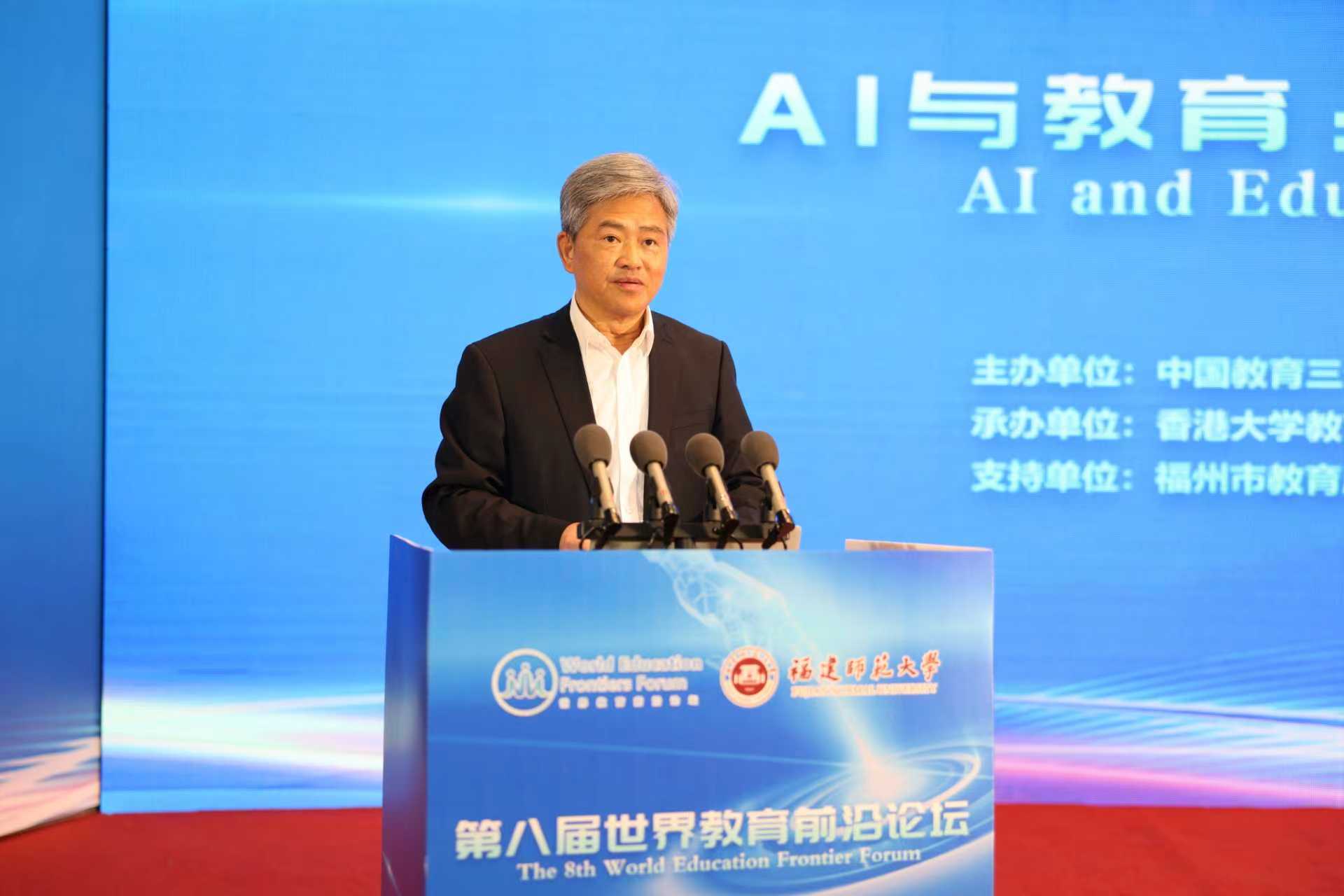
Ruan Shiwei proposed a framework of “Four Transcendences and Four Focuses” to guide the response to AI in education:
Transcend technological exploration and focus on widespread application to enhance educational equity.
Transcend passive tool usage and focus on multi-stakeholder engagement to develop more effective educational tools.
Transcend over-reliance on technology and focus on personalized development to foster a more creative generation.
Transcend the concept of technological neutrality and focus on value-based guidance.
He emphasized the importance of instilling the right values into AI systems to ensure technology serves the holistic development of individuals and the sustainable progress of society.
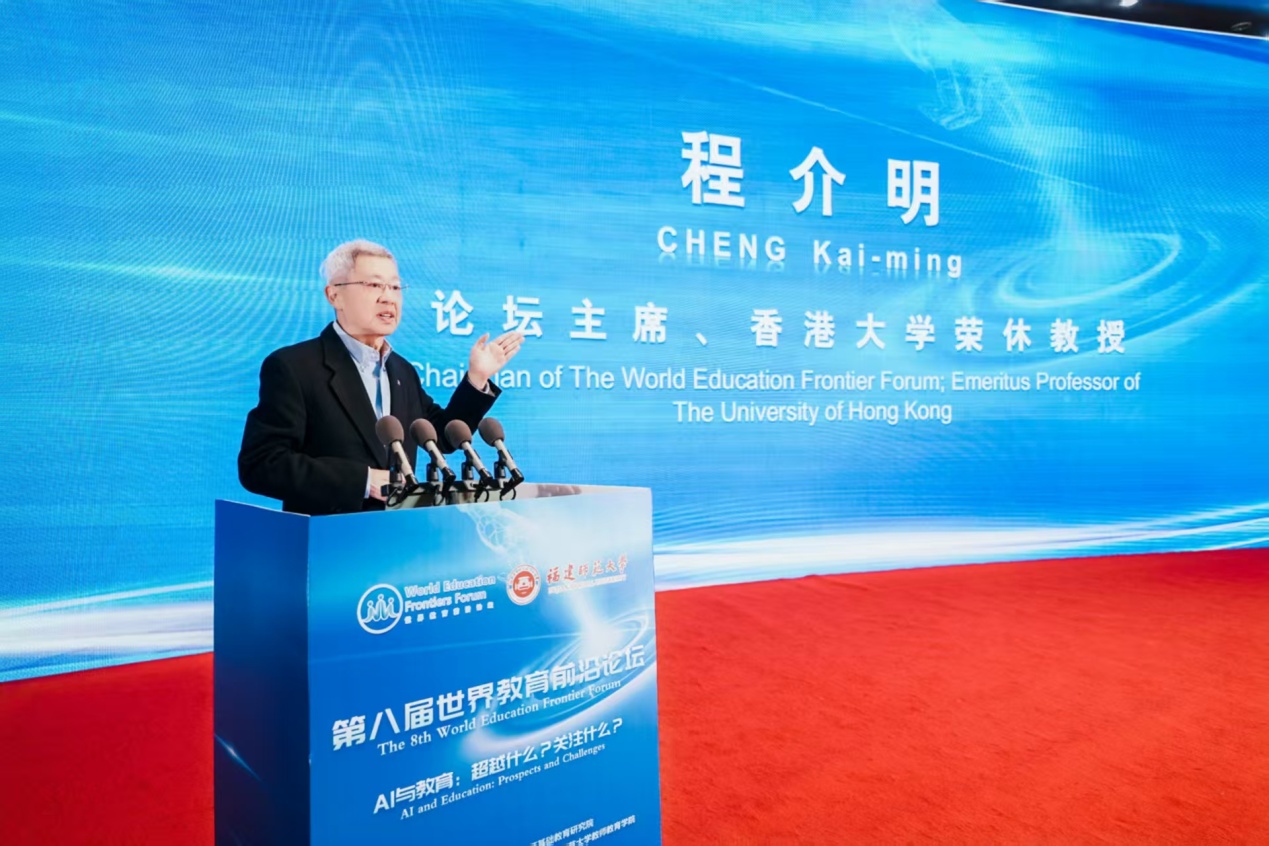
Cheng Kai-ming noted that AI is reshaping education globally and encouraged participants to share insights and jointly envision the future of AI in education.
The one-and-a-half-day forum will include five keynote speeches and eight roundtable dialogues. Speakers will include Guo Yike, Yang Zongkai, Andreas Schleicher (OECD Director for Education and Skills), Sobhi Tawil (UNESCO Director of Future of Learning and Innovation), and Huang Yu-shun (University of Hong Kong), among others. They will share perspectives and engage in dialogue with educators, researchers, and students on the challenges and opportunities of AI in education.